
GPS Tracking & Cameras for Construction and Grading Fleets
Track equipment, improve planning, and reduce downtime. Mobile Fleet Solutions tracks the trucks, heavy equipment, trailers and tools that construction and grading crews depend on, from one platform.
- Trusted by fleet leaders
- 25+ years helping fleets
- Based in Gainesville, GA
- Serving 10 states
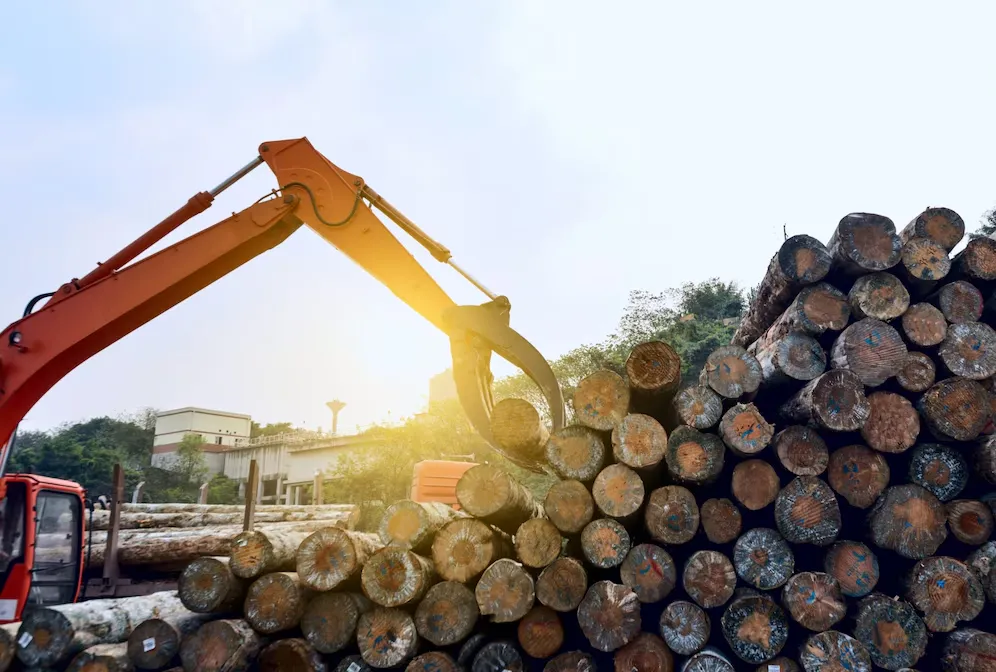
Everything on a Job Site, on One Map
Construction fleets mix vehicles, powered equipment and non-powered assets. Each gets the tracker that fits how it is used:
Wired trackers on excavators, skid steers and bulldozers for location and run-time hours
Run-time hours for billing your customer and scheduling maintenance
Battery trackers on large portable generators, construction tools and propane tanks
BARRA battery trackers on flatbed trailers
Solar trackers on enclosed utility trailers
Dash cameras on trucks for safety, video and driver behavior
Asset tracking solutions are used by construction, landscaping, and service fleets to protect equipment and maintain visibility across job sites.
Built for Heavy Equipment
The AS11 is a rugged LTE asset tracker for heavy equipment, engineered for wired, permanent installs on excavators, forklifts, haul trucks and other heavy assets.
GPIO inputs support ignition, run-hour sensing, door and tilt sensors, and an IP68-rated enclosure handles harsh environments and continuous outdoor service.
Mobile Fleet Solutions performs the hardwiring, GPIO mapping and commissioning.


Construction Fleets That Run on MFS
From the initial consultation to the final camera installation and software setup, their team was professional, knowledgeable, and incredibly easy to work with.
As we add new vehicles to our fleet and continue to phase out the big box company cameras, we will continue to use MFS for all our camera needs.
We have previously worked with larger national companies, and where they often fall short in customer support, MFS consistently exceeds expectations.
Why Equipment Visibility Matters on Southeast Job Sites
Heavy equipment is expensive, mobile and often left on open sites overnight and over weekends. The National Insurance Crime Bureau’s 2012 equipment theft report found that only about 20 percent of stolen heavy equipment was ever recovered, and it listed North Carolina, Florida, Georgia and South Carolina among the states with the most reported thefts. Those are states Mobile Fleet Solutions serves every day.
A tracker does not lock a machine, but it changes what happens after something moves. A geofence around the yard or the job site can alert you when a skid steer leaves after hours. Live location then gives you and law enforcement a place to start instead of a guess. The BARRA and TLP2 trackers add tamper and movement alerts for the trailers that carry that equipment, so a trailer hooked up at the wrong time is noticed quickly.
Run hours you can bill and service from
Grading and site-work contractors often bill machine time by the hour. Wired trackers like the AS11 read ignition and run-hour inputs through GPIO, so hours come from the machine instead of a handwritten timesheet. The same hours drive maintenance: when an excavator reaches its service interval, the data is already in the platform, and Fleetio integration can turn it into a scheduled work order.
Backing safety and the cameras on your trucks
OSHA’s construction standard 29 CFR 1926.601(b)(4) says motor vehicle equipment with an obstructed view to the rear may only be used if it has a reverse signal alarm audible above surrounding noise, or is backed only when an observer signals it is safe. In a 2010 interpretation letter, OSHA said that a camera system giving the operator a clear view to the rear means that back-up alarm requirement is not triggered. Dump trucks, concrete trucks and service bodies often have limited rear visibility. Peripheral cameras paired with an AD-PLUS 2.0 or RoadEazy RZ1 can add rear and mirror-side views. Talk with your safety lead about how cameras fit your backing procedures; they support the program rather than replace it.
How MFS Sets Up a Construction Fleet
A typical rollout follows the way your equipment is actually used:
Inventory the fleet
List trucks, powered equipment, trailers and stationary assets so each gets the right tracker: wired, battery, solar or OBD plug-in.
Install and commission
MFS hardwires equipment trackers, maps GPIO inputs for ignition and run hours, and installs camera systems on the trucks.
Set rules and reports
Geofences for yards and job sites, after-hours movement alerts, run-hour reports for billing and maintenance, and driver behavior reporting.
Sources
- NICB: 2012 Heavy Equipment Theft Report release
- OSHA: 29 CFR 1926.601, Motor vehicles (construction)
- OSHA interpretation (Mar. 2, 2010): back-up alarms and camera systems
Regulatory summaries are general information, not legal advice. Check the current rule text for your operation.
See it working on your fleet
Tell us what you run and we’ll match the right hardware and reporting to how your business operates.
How Construction Tracking Fits Into a Complete Fleet System
Job-site data is most useful when it feeds your maintenance, billing and safety programs.
Construction tracking is often combined with:
Heavy Equipment GPS Tracking
Runtime hours and movement alerts.
Learn more →Geofencing & Reporting
Job site boundaries and reports.
Learn more →Fleet Dash Cameras
Video and driver behavior insight.
Learn more →Together they show where your equipment is, how hard it’s working, and who is driving.
View All Fleet ServicesWhat can you track on a construction fleet?
Trucks and service vehicles, light to heavy equipment, trailers, containers and stationary objects like generators. Different asset trackers fit different equipment, depending on what the customer needs.
How do you track excavators, skid steers and bulldozers?
Medium to heavy equipment such as forklifts, excavators, skid steers and bulldozers uses wired asset trackers, so you can monitor location and run-time hours for billing your customer and scheduling maintenance.
What about generators, tools and propane tanks?
Light and stationary equipment, such as large portable generators, large construction tools and propane tanks, mainly uses battery-powered asset trackers.
Which trackers go on trailers?
Flatbed trailers use battery-powered asset trackers (mainly the BARRA). Enclosed utility trailers usually use solar asset trackers.
Do you install the equipment?
Yes. Mobile Fleet Solutions performs the hardwiring, GPIO mapping and commissioning for wired equipment trackers, and installs camera systems for its customers.